



The historical evolution of casinos From ancient games to modern marvels
The Origins of Gambling
The history of gambling dates back thousands of years, with evidence of dice games found in ancient Mesopotamia around 3000 BC. These early forms of gambling were not just entertainment; they were also used for religious purposes and divination. Ancient civilizations such as the Egyptians and Greeks participated in various games of chance, laying the foundation for what we now recognize as casino games. For those interested in modern online options, visiting the Ninewin Casino login page can provide a wealth of gaming opportunities.
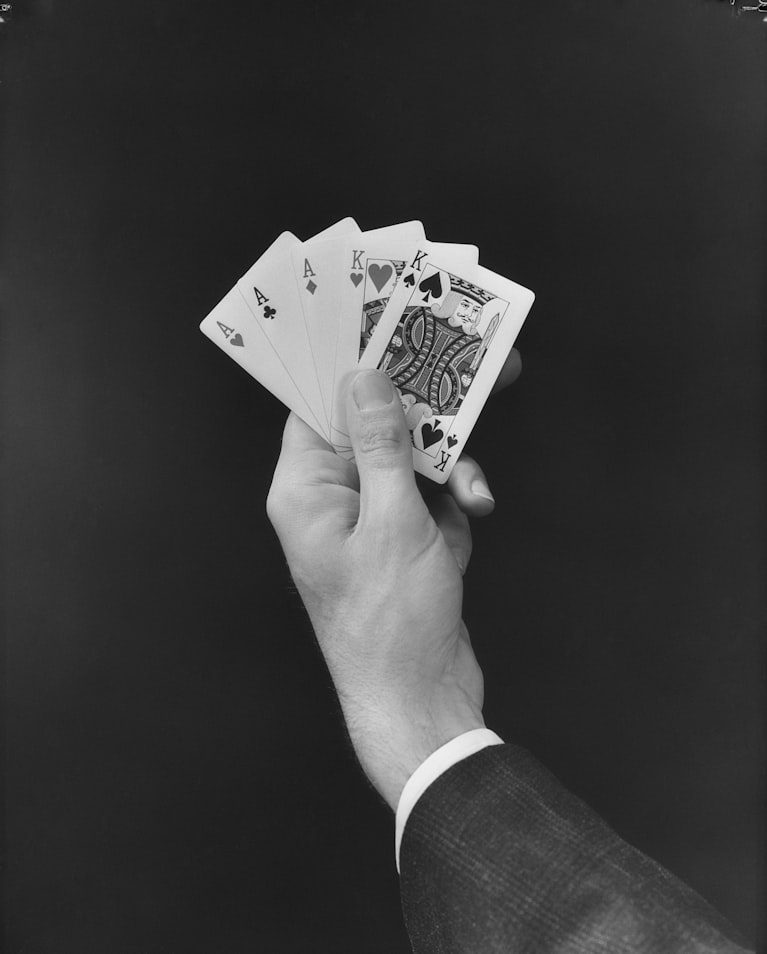
Over time, gambling evolved and spread across different cultures. The Romans, for example, enjoyed games involving betting on chariot races and gladiatorial contests. These activities not only entertained the masses but also served as a means of generating revenue for the state, illustrating the early recognition of gambling’s economic potential.
The Rise of Formalized Gambling Venues
The concept of dedicated gambling establishments began to take shape during the Renaissance in Europe. The first official casino, the Ridotto, opened in Venice in 1638, providing a space specifically for gambling activities. This marked a significant shift, as people could now gather in a designated place to enjoy various games, such as card games and dice.
As the popularity of casinos grew, they began to spread throughout Europe. By the 18th century, cities like Monte Carlo and Baden-Baden emerged as gambling hubs, attracting aristocrats and wealthy individuals. The allure of casinos was not just in the games, but also in the luxurious atmosphere, live entertainment, and social opportunities they provided.
The Expansion of Casinos in the 20th Century
The 20th century saw an unprecedented expansion of casinos, particularly in the United States. The legalization of gambling in Nevada in 1931 led to the rise of Las Vegas, which transformed into the epicenter of casino culture. This period introduced opulent resorts and extravagant shows, revolutionizing the casino experience.
As gambling regulations loosened in other parts of the world, new casino markets emerged. Atlantic City became a notable competitor in the U.S., while countries like Australia and Macau also developed vibrant gaming scenes. This era was characterized by the introduction of slot machines, which quickly became a favorite due to their simplicity and potential for significant payouts.
The Digital Transformation of Gambling
The late 20th and early 21st centuries ushered in the digital revolution, fundamentally changing the landscape of gambling. The advent of the internet allowed for online casinos to flourish, providing players with unprecedented access to their favorite games from the comfort of their homes. This shift not only broadened the reach of gambling but also introduced innovative gaming technologies.
Mobile gaming has further enhanced this evolution, enabling players to gamble on the go. With a variety of games available, including live dealer options, the online casino experience has become increasingly immersive. As security measures and payment methods have improved, online gambling has gained acceptance, making it a mainstream form of entertainment.

Exploring Modern Casino Experiences
Today, casinos blend tradition with innovation, offering diverse gaming options that cater to all types of players. From classic table games to cutting-edge virtual reality experiences, modern casinos continue to push the boundaries of what gambling can be. Online platforms like Ninewin Casino exemplify this evolution by providing a wide range of gaming options and user-friendly experiences.
With features such as live dealer games and enticing promotions, contemporary casinos strive to create engaging environments that attract both new and seasoned players. As technology advances, the future of casinos looks promising, with continuous development in gaming software and customer experience enhancements.