



The evolution of gambling tracing its historical roots and transformations
The Origins of Gambling
Gambling can be traced back thousands of years, with evidence of its existence in various ancient cultures. The earliest known forms of gambling emerged in Mesopotamia around 3000 BCE, where people engaged in simple dice games. These early practices were often tied to religious beliefs, with dice considered tools of fate used to communicate with the gods. Such rituals not only entertained but also held significant social and spiritual importance. Today, if you’re looking for a modern twist on this age-old practice, check out https://bigwinscasino.uk/, which offers a vast array of gaming options.
As societies evolved, so did gambling practices. The Chinese, for example, developed games like Keno around 205 BCE, which was used as a means to fund government projects, showcasing how gambling had begun to intertwine with economic systems. Meanwhile, in ancient Rome, betting on gladiatorial contests became a popular pastime, reflecting the societal values of competition and valor. These early forms of gambling laid the groundwork for the complex systems we see today.
Throughout history, gambling has been a reflection of cultural values and societal norms. The Greeks introduced the concept of betting on athletic competitions, establishing foundations for organized sports betting that persist to this day. Such activities often served as social gatherings, bonding communities through shared interests, demonstrating how gambling was not merely an individual activity but a communal experience that shaped early human interactions.
The Middle Ages and the Rise of Formal Games
The Middle Ages marked a significant turning point in the evolution of gambling, where it began to be structured in more formalized ways. The introduction of card games during this period was monumental. Originating in China, card games spread to Europe through trade routes, quickly gaining popularity among the nobility. By the 14th century, games like Baccarat and Poker began to emerge, showcasing strategic depth and appealing to players’ competitive instincts.
During this time, gambling houses and betting establishments started to pop up across Europe. In Italy, the establishment of the lottery system helped fund various public works and became a major societal institution. This transformation marked the shift from informal, unregulated gambling to more organized and state-sanctioned forms, reflecting a growing acceptance and integration of gambling into everyday life.
The Renaissance further fueled this evolution, as gambling became intertwined with advancements in mathematics and probability. Figures like Gerolamo Cardano contributed to the theoretical understanding of games of chance. This intellectual inquiry not only enhanced the sophistication of gambling but also attracted a broader audience, paving the way for modern casinos and gambling establishments that we recognize today.
The Industrial Revolution and Modernization of Gambling
The Industrial Revolution brought about significant changes in society, and gambling was no exception. Rapid urbanization and increased leisure time for the working class led to the proliferation of public gambling venues. The establishment of formal casinos in places like Monte Carlo in the mid-19th century symbolized the luxurious side of gambling, attracting the elite and setting a precedent for the casino culture that would dominate in the years to follow.
This period also saw the emergence of organized betting on horse racing, which gained immense popularity. The formation of racetracks and betting syndicates showcased the increasing sophistication of gambling practices. Governments recognized the potential for revenue generation through taxation on gambling activities, leading to more regulation and the formalization of gambling laws across many jurisdictions.
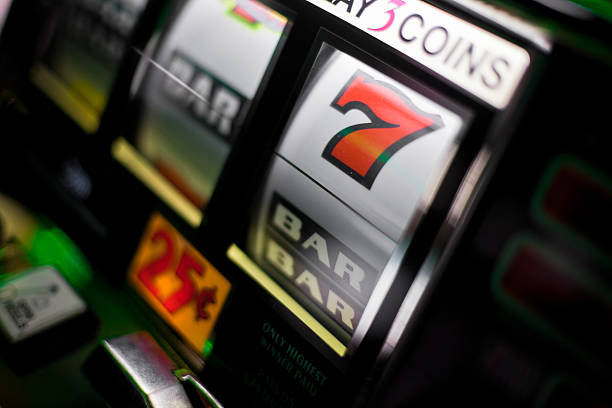
As technology progressed, so did gambling. The invention of the slot machine in the late 19th century revolutionized the gambling landscape. It created a new form of entertainment that was accessible to the masses, offering a simple, yet thrilling experience. This innovation set the stage for the modern gambling industry, which continues to evolve with advancements in technology.
The Digital Age and Online Gambling
The turn of the 21st century marked a profound shift in gambling with the advent of the internet. Online gambling emerged as a significant player in the gaming industry, allowing players to engage in their favorite games from the comfort of their homes. The establishment of online casinos democratized gambling, offering thousands of games, including slots and table games, accessible to anyone with an internet connection.
Online gambling platforms have introduced various innovative features, such as live dealer games and virtual reality experiences, enhancing player engagement. Furthermore, the integration of cryptocurrencies has revolutionized transactions, providing users with secure, fast, and anonymous options for deposits and withdrawals. This technological advancement has reshaped the way players approach gambling, creating a more immersive and flexible experience.
Despite the convenience and appeal of online gambling, it has also raised concerns about regulation, addiction, and security. Many jurisdictions have implemented stricter laws to protect consumers and ensure responsible gambling practices. The balance between innovation and regulation remains a critical topic as the industry continues to expand, with online platforms now rivaling traditional casinos in popularity.
The Future of Gambling and Its Cultural Impact
As gambling continues to evolve, its cultural impact remains profound. The growing acceptance of gambling as a mainstream form of entertainment has led to an increase in social gambling events and charity poker tournaments. This shift reflects a broader societal acceptance, transforming gambling from a taboo activity to a recognized leisure pursuit that fosters community and camaraderie.
Moreover, the integration of technology continues to shape the future of gambling. Advances in artificial intelligence and machine learning are beginning to influence game design and player experiences. Personalized gaming experiences, based on player behavior and preferences, are becoming increasingly common, ensuring that the future of gambling will be tailored to individual users in unprecedented ways.
Looking ahead, the gambling industry is likely to face challenges related to regulation, ethics, and social responsibility. As technology continues to advance, the importance of ensuring that gambling remains a safe and enjoyable experience for players will be paramount. The industry’s ability to adapt to changing societal norms and technological advancements will determine its trajectory in the years to come.

Big Wins Casino: A Modern Gaming Experience
In this ever-evolving landscape of gambling, Big Wins Casino emerges as a notable player in the online gaming sector. With over 3,000 games from renowned providers such as NetEnt and Microgaming, the casino offers a diverse and thrilling selection for players. The platform prioritizes player satisfaction, providing enticing bonuses such as a no-deposit bonus and free spins, catering to both new and seasoned gamers alike.
Big Wins Casino’s user-friendly interface ensures an enjoyable gaming experience for everyone, whether on desktop or mobile. The seamless design allows players to easily navigate through various games, making it accessible for beginners. Additionally, with its support for cryptocurrency transactions, the casino offers modern, fast, and secure deposit and withdrawal options, appealing to a tech-savvy audience.
As gambling continues to evolve, platforms like Big Wins Casino demonstrate the industry’s adaptability and commitment to providing exciting experiences for players. Whether one is a novice or an experienced gambler, the casino’s extensive offerings and focus on player enjoyment make it a compelling choice in the modern gaming arena.