



Research suggests there may be a bidirectional connection between anxiety disorders and AUD. MAOIs can be especially dangerous when combined with alcohol, since some beers and wines contain tyramine, which can trigger a dangerous spike in blood pressure. Bupropion also poses unique seizure risks when combined with alcohol. Batista agrees, adding that even small amounts of alcohol can have negative consequences for people with anxiety, even when they don’t feel anxious before they drink. Not only does alcohol worsen anxiety, but your anxiety level can stay high for a long time after you stop drinking.
Some drug–alcohol mixes are uniquely dangerous
Some antibiotics can cause a severe reaction with alcohol, leading to stomach pain, headaches, vomiting, and rapid heartbeat. Taking blood thinners and alcohol increases the risk Alcoholics Anonymous of internal bleeding. By increasing stomach acid production, alcohol counteracts the effects of heartburn medication.
Physical and Emotional Symptoms
It falls under the broader category of substance-induced anxiety disorders, where substance use directly leads to anxiety symptoms. Long-term alcohol use upsets the harmony of chemicals in your brain, such as GABA and serotonin, that regulate your mood. This worsens anxiety symptoms over time, creating a cycle that leads to dependence.
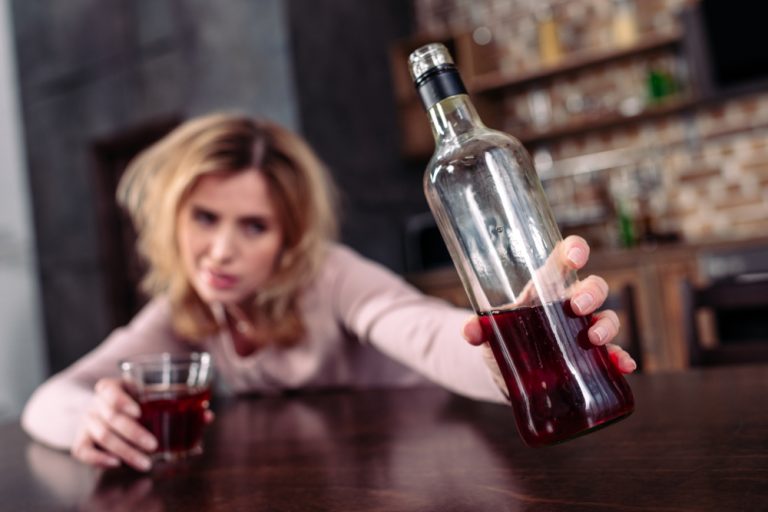
The Best Antidepressants for Alcoholics: A Comprehensive Guide to Dual Diagnosis Treatment
Alcohol doesn’t exactly cancel them out, but it can worsen side effects. Drinking regularly can also reduce how well the medication https://artcenterr.com/10-healthy-ways-to-manage-stress-effectively/ works over time. Alcohol is a depressant that lowers activity in your central nervous system. When you have alcohol and anxiety meds in your body together, it can increase side effects – things like dizziness, confusion, or feeling drowsy. Depending on the specific medication prescribed, some combinations even raise the risk of an overdose. Mixing alcohol with anxiety medication is more harmful than it seems.
- Alcohol doesn’t exactly cancel them out, but it can worsen side effects.
- As you make these life changes, surround yourself with friends and family who understand your struggles and offer nonjudgmental support.
- Buspirone was found to be effective in comorbid AUD and AnxD patients (77, 81, 82).
- Drinking while on buspirone is less risky, but it could still leave you feeling drowsy or lightheaded.
Benzodiazepines
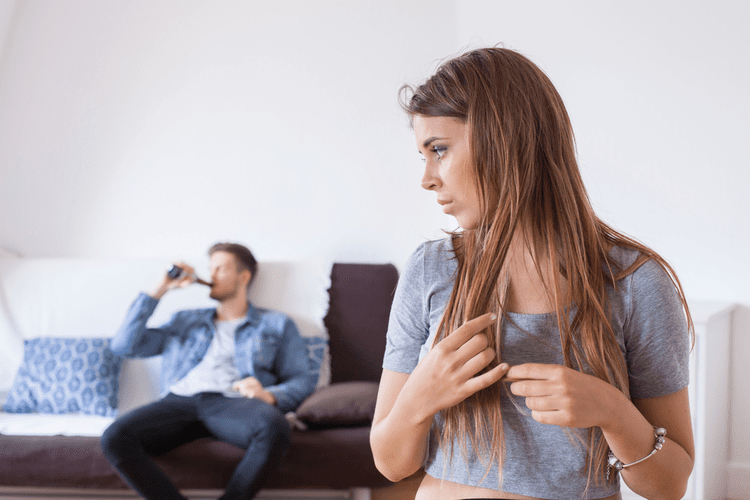
Some people call the anxiety, worry, dread, or panic after a night of heavy drinking ‘hangxiety’ or ‘the fear’. It’s common in heavy drinkers who routinely ‘blackout’ because of excessive alcohol consumption. Naltrexone reduces alcohol cravings by blocking alcohol’s effects in the brain. It does alcohol give you anxiety is often used for patients with alcohol dependence who also experience anxiety. Diazepam is a benzodiazepine that enhances the effects of the neurotransmitter GABA, helping to reduce anxiety. These sedative effects increase when Xanax as an anxiety medication and alcohol are taken together.
Ria Health offers several FDA-approved medications for alcohol use disorder. When combined with counseling, this approach is proven highly effective. Always read the label and package insert of any medication you are taking, whether it has been prescribed by your doctor or purchased over-the-counter. If you are not sure if it is safe to drink alcohol while you are taking medication, call a local pharmacy or talk to your doctor about the potential interactions. Mixing these medications with alcohol intensifies the side effects and increases the risk of a fatal overdose. As with cold and flu remedies, combining alcohol with medications used to treat a cough can cause drowsiness, dizziness, and motor impairment.
Can I drink alcohol on benzodiazepines?

For many of these individuals, drinking itself is a means of limiting exposure to feared situations and thus can be conceptualized as an avoidance strategy that has prevented the development of alternative ways of coping. For people who use alcohol as an avoidance strategy, however, a relapse can be especially costly. Moreover, use of alcohol to avoid anxiety during an exposure exercise also can interfere with the corrective learning process required for extinction of the anxiety response. Indeed, research findings suggest that exposure-based methods can lead to worse alcohol outcomes for comorbid individuals and that alcohol use during exposure may hinder extinction (e.g., Randall et al. 2001). Therefore, as a matter of course clinicians carefully should appraise this risk when weighing the potential costs and benefits of this CBT component for people with comorbid anxiety and AUDs. Such alterations can allow therapists to calibrate the dose of exposure that optimizes efficacy for extinction of the target fear response while minimizing the risk for relapse to drinking.
If you have depression, your doctor will likely tell you not to drink alcohol, regardless of whether or not you are taking Zoloft. Regular use of alcohol to manage anxiety can lead to tolerance, requiring more alcohol to achieve the same effect. This escalation increases the risk of developing AUD, further complicating the individual’s mental health and overall well-being. Drinking alcohol when taking Propranolol could increase the blood-pressure lowering effect of the medication. If possible, avoid drinking alcohol when taking Propranolol, especially in the first few days after you start treatment. Making positive lifestyle changes could have a real and profound effect on your mental health.
Side effects like drowsiness, impaired driving, and respiratory depression (slowed breathing) can worsen when alcohol and anxiety meds are mixed. Many medicines for anxiety should be used short-term and, in general, you should avoid or limit alcohol with these drugs. In addition, it can worsen anxiety because it can lead to the development of new anxiety disorders or additional mental health disorders. You may have generalized anxiety when you begin drinking and, over time, develop panic attacks or social anxiety. Several lifestyle choices increase the risk of alcohol-induced anxiety disorder.
Taking alcohol and an anxiolytic such as Buspirone compounds the drowsiness effect of the drug. For this reason, people taking Buspirone are cautioned not to drink alcohol. Some people who repeatedly use alcohol to help cope with anxiety experience more anxiety when they know that the effects of the alcohol are wearing off. There is insufficient evidence to confirm that the presence of comorbid AnxDs and AUDs has a negative effect on treatment results with regard to the manifestation of their separate forms (1, 15). Women have an increased likelihood of independent AnxDs compared with men, but prior AnxDs were also more strongly predictive of later alcohol dependence among women.
People with AUD may have a higher risk of developing an anxiety disorder, such as generalized anxiety disorder or social anxiety. If you’re on medication for anxiety, it’s important to understand how alcohol can interfere with your treatment. Regular alcohol use may increase the risk of dependence and, in some cases, lead to the need for professional alcohol detox.