



The Thrill of the Gamble
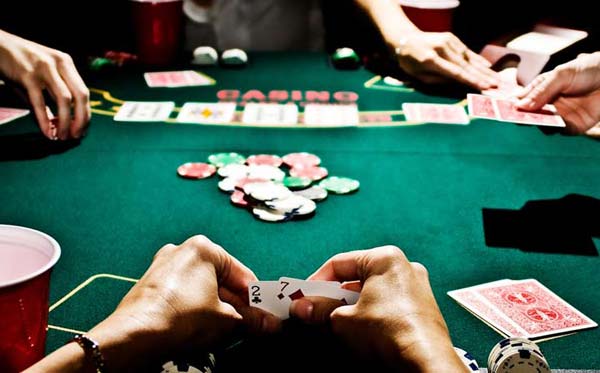
The allure of high-stakes casino games lies in the thrill they provide. These games magnify the excitement of risk and reward, drawing players into a world where fortunes can change in an instant. The adrenaline rush experienced when wagering large sums of money is a fundamental aspect of the psychology behind gambling, which is increasingly enhanced by betting apps with sign up bonus. This emotional high is often compared to other forms of high-risk behavior, creating a potent cocktail of excitement that keeps players returning for more.

This thrill is not solely about the potential for financial gain; it also taps into deeper psychological factors. When players engage in high-stakes games, they may experience an altered state of mind, often referred to as “gambling euphoria.” This state can cloud judgment, leading players to make decisions they would typically avoid in everyday life. Understanding this psychological phenomenon is essential for grasping why some individuals become captivated by high-stakes gambling.
The Impact of Losses and Wins
The psychology of high-stakes gambling is significantly influenced by the emotional responses to wins and losses. Winning can lead to a euphoric rush, reinforcing the behavior and enticing players to continue gambling. Conversely, losses can evoke feelings of frustration and disappointment. This cycle of highs and lows creates a compelling feedback loop, where players often chase their losses in hopes of recapturing the thrill of winning.
Research suggests that the brain’s reward centers are activated more intensely during high-stakes gambling situations. This neurological response can lead to an increase in risk-taking behavior, as players become more willing to gamble larger amounts in pursuit of those fleeting moments of victory. Understanding this cycle is crucial for players to recognize the psychological trap that high-stakes games can create.
The Role of Cognitive Biases
Cognitive biases play a significant role in the decision-making processes of gamblers. One prevalent bias is the “gambler’s fallacy,” where players believe that past events influence future outcomes in games of chance. For instance, a player may think that after several losses, a win is “due.” This flawed logic can lead to increased betting and significant financial losses, as players ignore the true randomness of the games.
Additionally, confirmation bias can lead players to remember their wins while disregarding their losses. This skewed perception can create an illusion of skill or control over the game, reinforcing the desire to play more frequently. Recognizing these cognitive biases is vital for anyone engaging in high-stakes gambling, as awareness can mitigate some of the psychological traps involved.
The Social Aspects of Gambling
High-stakes gambling is often a social experience, with many players seeking the camaraderie of others in the casino environment. This social element can amplify the psychological effects of gambling. Interaction with fellow players can enhance feelings of excitement and competitiveness, further driving the desire to engage in high-stakes games.
Moreover, social validation can play a crucial role in a player’s decision to gamble. The approval or encouragement from peers can lead to increased risk-taking as individuals seek to maintain their social status or prove their gambling prowess. This social dynamic makes high-stakes gambling not just an individual pursuit but a communal experience, deepening its appeal and psychological impact.
Understanding Restrictions and Responsible Gambling
Navigating the world of high-stakes casino games requires awareness of both the psychological and practical aspects of gambling. For individuals seeking to engage in these thrilling experiences, it’s essential to understand the importance of responsible gambling practices. This involves setting limits on both time and money spent, as well as recognizing the signs of problematic gambling behavior.
Additionally, understanding the access restrictions of certain gambling platforms can enhance the overall gaming experience. Being aware of one’s limits and the implications of high-stakes gambling can lead to a more enjoyable and less destructive engagement with these captivating games. Responsible gaming encourages a balance between excitement and caution, ensuring that the thrill of high-stakes gambling remains an entertaining pursuit rather than a destructive habit.