



The Thrill of Uncertainty
One of the most compelling psychological factors behind casino games is the thrill of uncertainty. Players are drawn to the unpredictability of outcomes, which creates an exhilarating experience. This sense of uncertainty triggers the brain’s reward system, releasing dopamine and fostering excitement. The anticipation of winning, even if the odds are not in the player’s favor, keeps individuals coming back for more. Many find themselves exploring various casino sites to enhance that thrill.
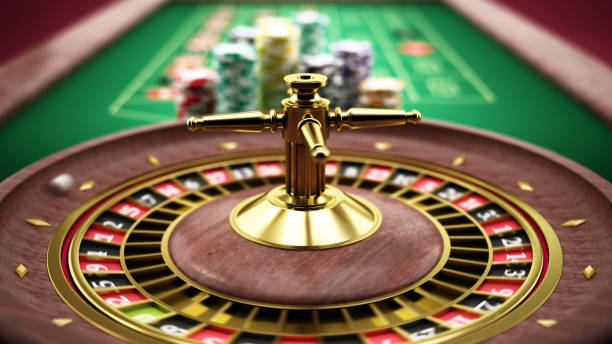
This thrill is amplified by the idea of near-misses, a common occurrence in many casino games. When players come close to winning, it enhances their perception of skill and increases their likelihood to engage again. This psychological trickery keeps the excitement levels high and encourages repeated play, reinforcing the allure of the casino environment.
The Role of Social Interaction
Casino games also offer significant social interaction, which can enhance their appeal. Whether at a poker table or a slot machine, players often find themselves surrounded by others who share their enthusiasm for gambling. This communal aspect fosters a sense of belonging and can make the gaming experience more enjoyable. Many people enjoy the camaraderie that emerges when they share wins and losses with fellow players.
Moreover, casinos often employ staff and dealers who interact with players, further enriching the social experience. These interactions can make players feel valued and enhance their emotional investment in the game. The combination of socially charged atmospheres and the competitive spirit inherent to gambling adds another layer of appeal to casino games.
The Influence of Design and Environment
The environment of a casino is meticulously designed to maximize player engagement. Bright lights, vibrant colors, and immersive soundscapes work together to create an engaging atmosphere that appeals to the senses. This sensory overload can enhance feelings of excitement and euphoria, which are crucial for players seeking an escape from reality.
Additionally, the layout of casinos is strategically planned to encourage exploration and prolonged play. By placing games in a way that entices players to try various options, casinos increase their chances of retaining customers. This calculated design taps into psychological tendencies, making players more susceptible to spending extended periods in the gaming environment.
The Concept of Loss Aversion
Another important psychological aspect is loss aversion, a principle rooted in behavioral economics. Players often find it more painful to lose a sum of money than pleasurable to gain the same amount. This phenomenon leads gamblers to chase losses, hoping to regain their lost money, even when it’s not a rational decision. This relentless pursuit can result in an extended gambling session as players convince themselves that a win is just around the corner.
Understanding loss aversion helps explain why individuals continue to gamble despite unfavorable odds. The desire to recover losses can overshadow logical thinking, driving players to invest more time and money into their gambling activities. This psychological trap is a key factor in the persistent allure of casino games.

Exploring Our Resources
At our website, we strive to provide valuable resources and insights into the world of gambling, including the psychology behind casino games. We understand that exploring the motivations and influences of gambling can deepen one’s appreciation for the games and promote responsible gaming habits. Our platform emphasizes a safe browsing experience while offering tips and informative content to enhance your understanding of gambling.
Whether you’re a seasoned player or new to the world of casinos, our site aims to empower you with knowledge. By understanding the psychological dynamics at play, you can make informed decisions and enjoy your gaming experience to the fullest. We are here to support your journey through engaging and protective online resources.